
SAGA Resilience
“We use horses to teach high adversity professionals how to temper the strength they’ve earned.”
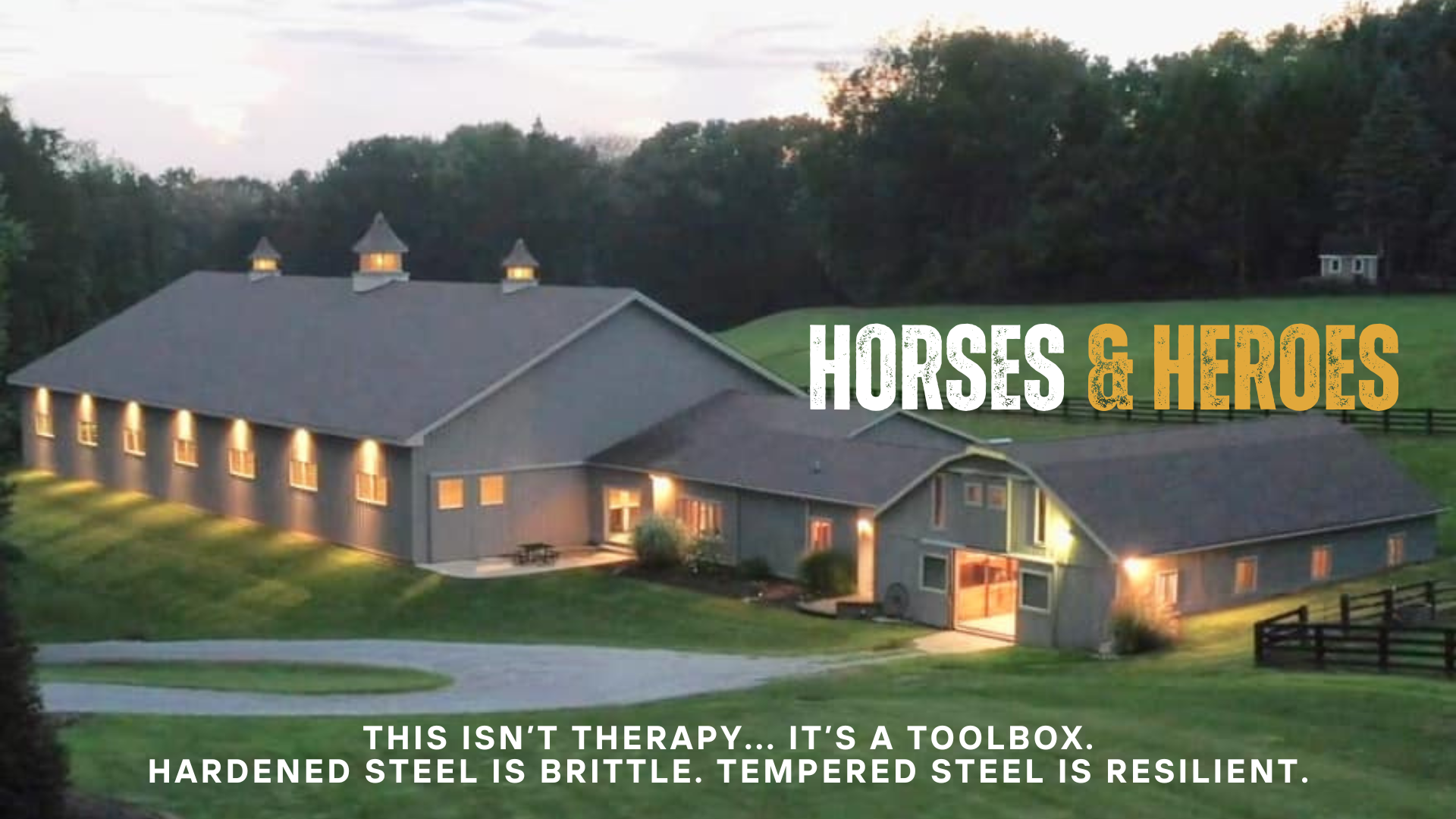
Tempering Your People Before They Break
The Reality You’re Managing
Your people are NOT weak.
They are carrying cumulative stress from:
- Call after call
- Years of exposure
- Increasing operational demand
What starts as strength becomes:
- Emotional shutdown
- Shortened patience
- Decision fatigue
- Compassion fatigue
- Disconnection at home and on shift
This doesn’t show up as failure first.
It shows up as subtle performance drift—until it becomes a problem you can’t ignore.
The Risk
Left unaddressed, this becomes:
- Leadership instability
- Increased conflict inside the department
- Retention issues
- Burnout and disengagement
Most training does not touch this.
Because it stays at the level of information—not behavior.
THIS IS NOT THERAPY!
THIS IS WHAT HAS WORKED FOR A 30 YEAR VETERAN OF EMS AND HIS FAMILY!
Who Are We?
SAGA Resilience was founded by Greg Auchard, a 30 year veteran of EMS, and his spouse Sarah Auchard. We’ve worked with horses all of our lives and operate SAGA Equine, a boarding and training facility in Fredericktown, Ohio where our equine coaches live.
We know the unique needs of first responders and their families because we survived a career that encompassed all of the challenges that heroes and their families face daily. Horses saved our marriage, our family, and our lives.
We’ve lost friends to suicide, addiction, divorce, depression, anger, burnout, and the myriad other things that can make the lives of heroes a nightmare.
We’ve lived the pain and suffering that goes with the professions that ask so much of their practitioners.
And we’ve overcome it.
We want to share what we’ve learned with you and your people because at the end of the day a hero should feel rewarded for their sacrifices, not defeated.
What We Do Differently
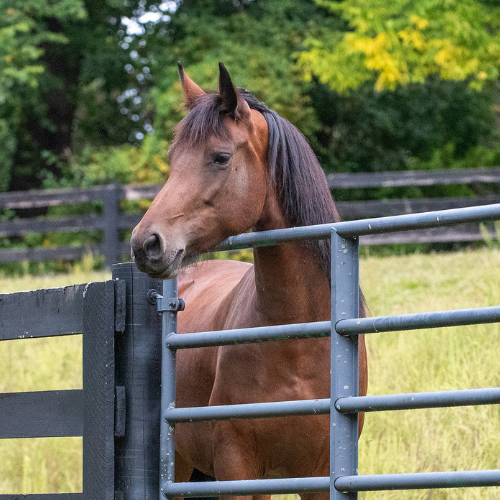
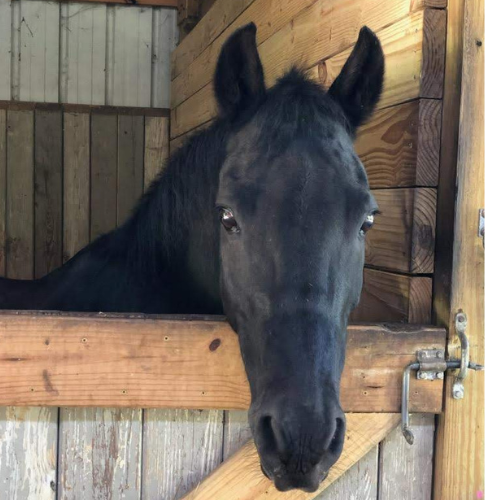
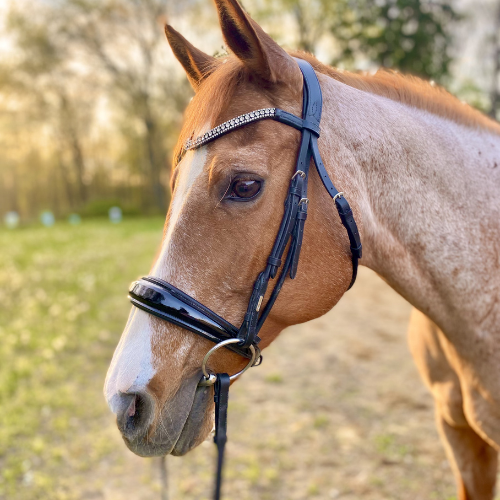
As we’ve said… horses.
SAGA Resilience provides experiential resilience training designed specifically for first responders utilizing horses.
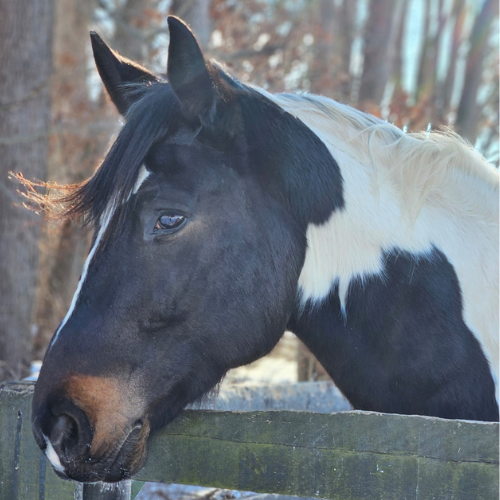
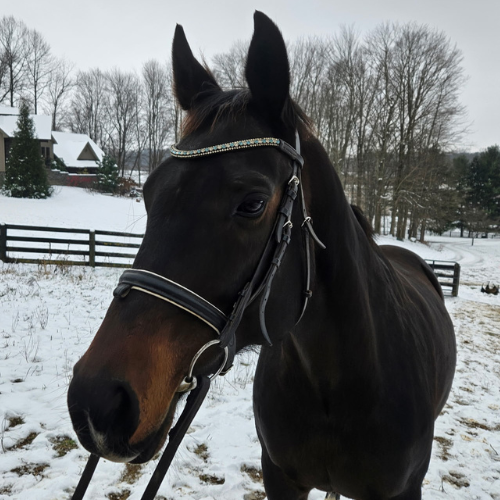
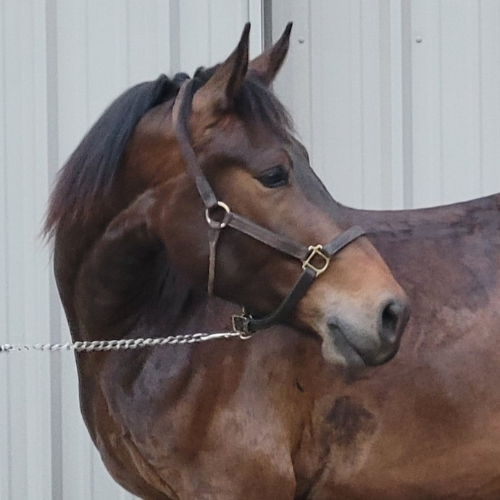
Horses provide immediate and honest feedback in real time allowing participants to see themselves in a unique perspective for the first time without judgement, or bias. They don’t respond to titles, accolades, or hype. They don’t care about how many lives you’ve saved, how many mistakes you’ve made, or how many stripes you have on your sleeve.
They respond to who you are in the moment.
We create a controlled environment where your personnel can:
- Recognize how stress is affecting them in real time
- Identify behavioral patterns under pressure
- Learn practical regulation tools they can apply immediately
A horse knows your secrets better than you do. They’ve spent millions of years perfecting the art of reading intentions. They know if you are a threat, or a friend within seconds. They are mirrors of their environment.
This is not a lecture that provides more theoretical coping mechanisms.
This is not therapy for people who are already reluctant to appear vulnerable or weak.
This is real time training with immediate feedback from an animal that doesn’t judge, criticize, or coddle your emotions.
It is a working session that produces awareness, ownership, change, and finally understanding.
Our Approach
We offer four levels of engagement:
- 1. P.O.V. Solutions (Awareness)
- Introduces the concept of cumulative stress and performance impact
- Brings forward the reality that point of view is transformational
- Helps reset personal expectations
- Tempers unnecessary psychological anguish
- 2. Command-Level Solutions (Ownership)
- 3–4 hour facilitated session with command staff
- Small group, discussion-driven, moving toward a culture of prevention
- Focused on leadership and peer influence
- On-site with equine coaches
- 3. Equine-Based Solutions (Change)
- High risk personnel intervention sessions
- Prevention practical’s and cultural implementation
- Conducted at our facility with equine coaches
- Real-time behavioral feedback through horse interaction
- Immediate insight into stress, control, and presence
- 4. Spouse & Family Solutions (Understanding)
- At our facility
- Discussion and horse interaction
- Immediate insight into reactivity, grief recognition, and positive focus
Why It Works
First responders don’t respond to more theories. They respond to what they can see and feel.
Their sympathetic nervous system is always activated. They’re hypervigilant because they have to be on the job, but that stress builds until they become too hardened. That stress needs to be tempered. Our process makes internal stress visible—quickly.
And once it’s visible, it becomes manageable because it teaches them, in real time, how to activate their parasympathetic nervous system.
Horses react strongly to hypervigilance. Horses know when your people are stressed even when you or they don’t.
Horses teach your people how to temper the strength they use on the job in an environment that is safe, free from judgement, and cares nothing about rank, titles, failures, or successes.
It’s pure honesty as a horse looks into you.
For many people it’s the first time they’ve looked into a mirror and seen what they thought they were hiding from the world without judgement or condemnation, just simple truth.
It can be painful, but we didn’t become heroes to take the easy road in life.
Our pain is what has made us special.
It’s why people say, “Thank you for your service.”
The Question
You already know the weight your people are carrying.
The question is:
Do you want to address it now— or later, when it’s harder to unwind?
Do you want to wait for the addictions to grow?
The divorces to happen?
The domestic problems?
The suicides?
The PTSD?
The depression?
Anxiety?
Reduced performance on the job?
Departmental tension and conflict?
The Mental Health Burden of Service
- 15–20% of first responders experience PTSD, compared to approximately 6–8% of the general population.
- Nearly 30% report symptoms of depression, significantly higher than the national average.
- Approximately one-third of first responders report having experienced suicidal thoughts at some point during their careers.
- Law enforcement officers and firefighters are more likely to die by suicide than in the line of duty in many years.
- Substance misuse rates are substantially elevated among trauma-exposed first responders, particularly involving alcohol.
- Chronic sleep disruption affects the majority of career first responders, contributing to depression, cardiovascular disease, burnout, and impaired decision-making.
- Burnout and compassion fatigue affect more than one-third of responders, leading to emotional exhaustion and reduced job satisfaction.
- Relationship strain, marital conflict, and divorce occur at higher rates due to shift work, cumulative trauma exposure, emotional withdrawal, and chronic stress.
- Many first responders delay seeking help because of stigma, fear of career repercussions, or a belief that asking for help demonstrates weakness.
- The average first responder experiences hundreds of critical incidents over a career, creating a cumulative stress load rarely encountered in other professions.
Temper the Strength Your People Have Already Earned
High adversity professional resilience training is a performance-driven program that nurtures the mental, emotional, and physiological skills required to remain calm, clear, and effective under stress that your people already possess and sharpens it into a tempered blade that is not only hardened but is also tempered.
Tempering steel makes it resilient not just hard.
Hardened steel is brittle and your people are becoming harder every day they are on the job. They need a way to process the grief, move beyond just stuffing the emotions down inside, and truly release the pressure that “the job” creates.
Rather than simply managing stress, we train individuals to do more than just perform through it… but to accept the grief they accumulate and release it in ways that are beneficial and healthy for them, their coworkers, and their families.
The pressure shouldn’t break them or their families, it should make them what they signed up to be… heroes.
Take the Next Step
If you or your organization operates in high-stress, high-stakes environments, it’s time to temper that stress.
Contact us today to learn how our high adversity professions resilience training and our equine coaches can help you build stronger leaders, protect mental health, and elevate performance when it matters most.